Back On The East Side
Pondering the physicality of one route, what it meant to climb it in true style, and how such care lends itself to my work with Wayward
Written by Angie Stevens | October 09
After a long work week, I heeded the call of the mountains, shoving gear and food into the car and steering the wheel to the east side. Heading through Lost Hills, I passed the dystopian oilfield that has become a landmark of this all-too familiar jaunt that I’ve embarked on to go climb with friends year after year, along the 46 from San Luis Obispo, through Kern County to Tehachapi and up the 395 to the Eastern Sierras.
The pumpjacks worked like mechanical robots out my window, bobbing their heads up and down to the ground. My eyelids drooped, though I found my rhythm as I so often do on longer drives, dipping into the well of ideas and memories, from Wayward’s next volume to the last chunk of time spent in Bishop back in early spring.
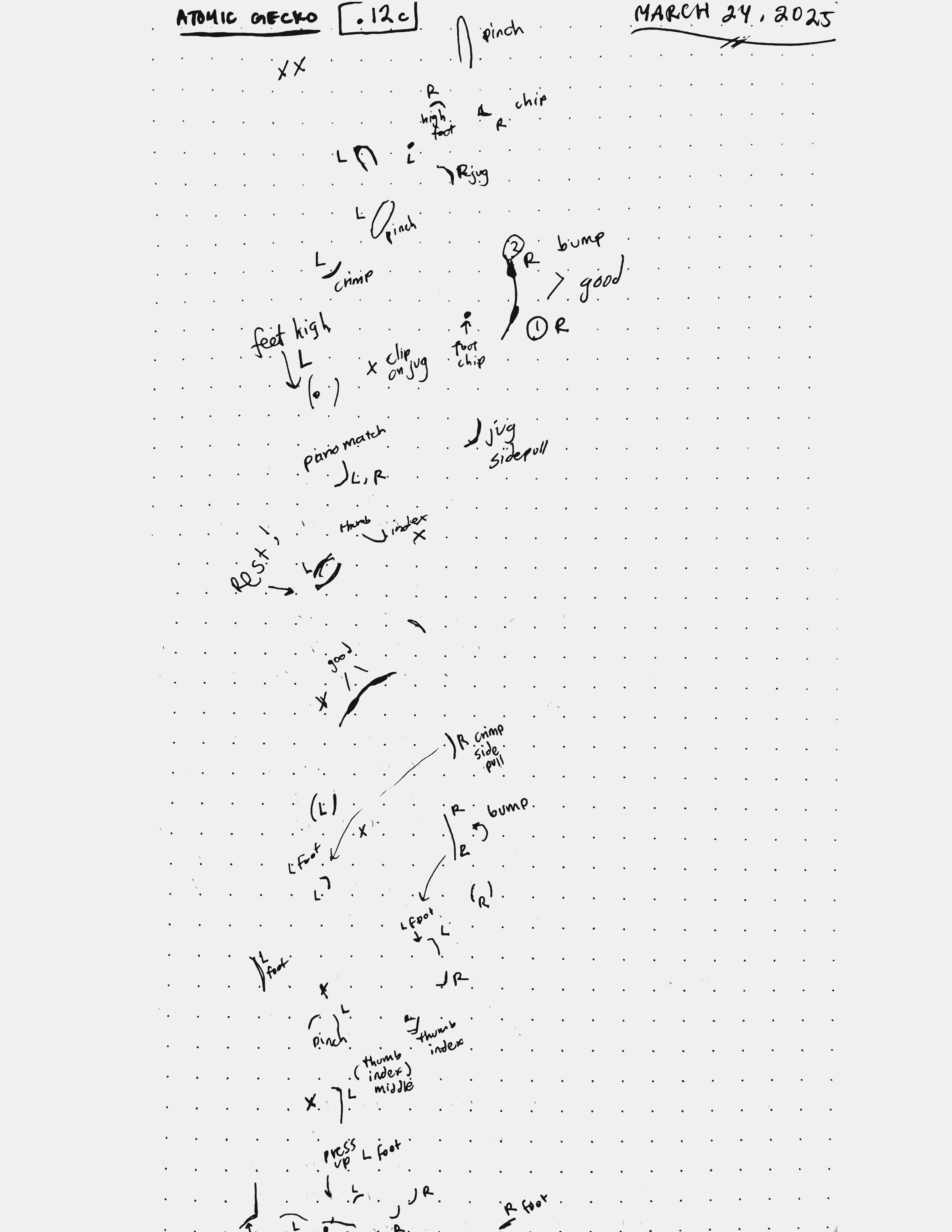
It was a grand ‘ole time, surrounded with fellow psyched climbers and lovers of the mountains. I spent my days frolicking from crag to crag, until I found a project and homed in. The climb’s movement gave me a taste of its pureness, though didn’t let up until I spent time with it, on and off the wall. I found myself craving its flow, and reciting the sequence in my mind. I drew out the beta in my journal, marking the minutiae until I found a way that worked with my body.
I fell time after time, disappointed, then relieved I had a chance to climb it again, in pure, perfect style. By the time I sent on the last go of the last session, I dipped into the flow state that has drawn me to the spiritual art of climbing since I was a little girl.
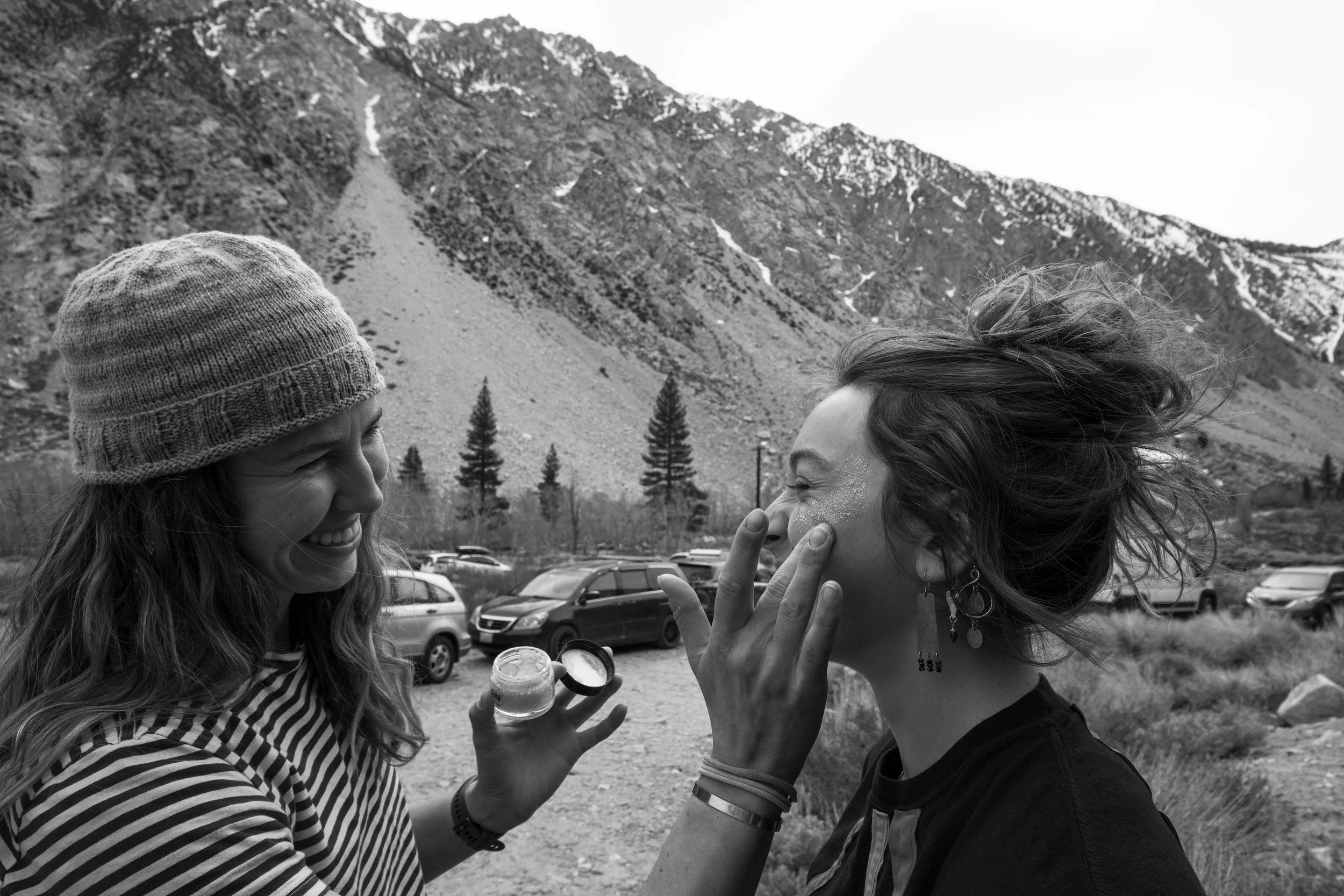
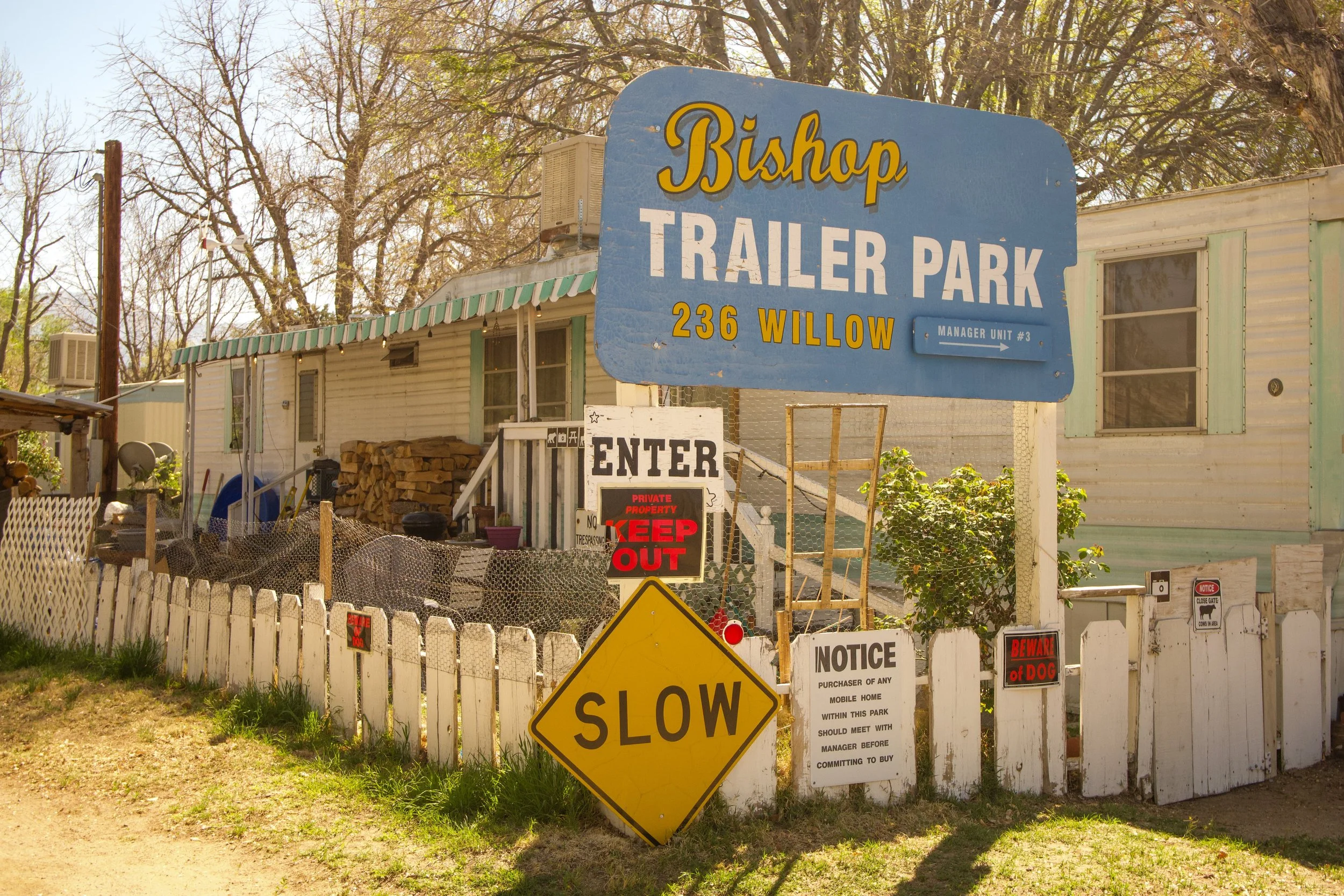
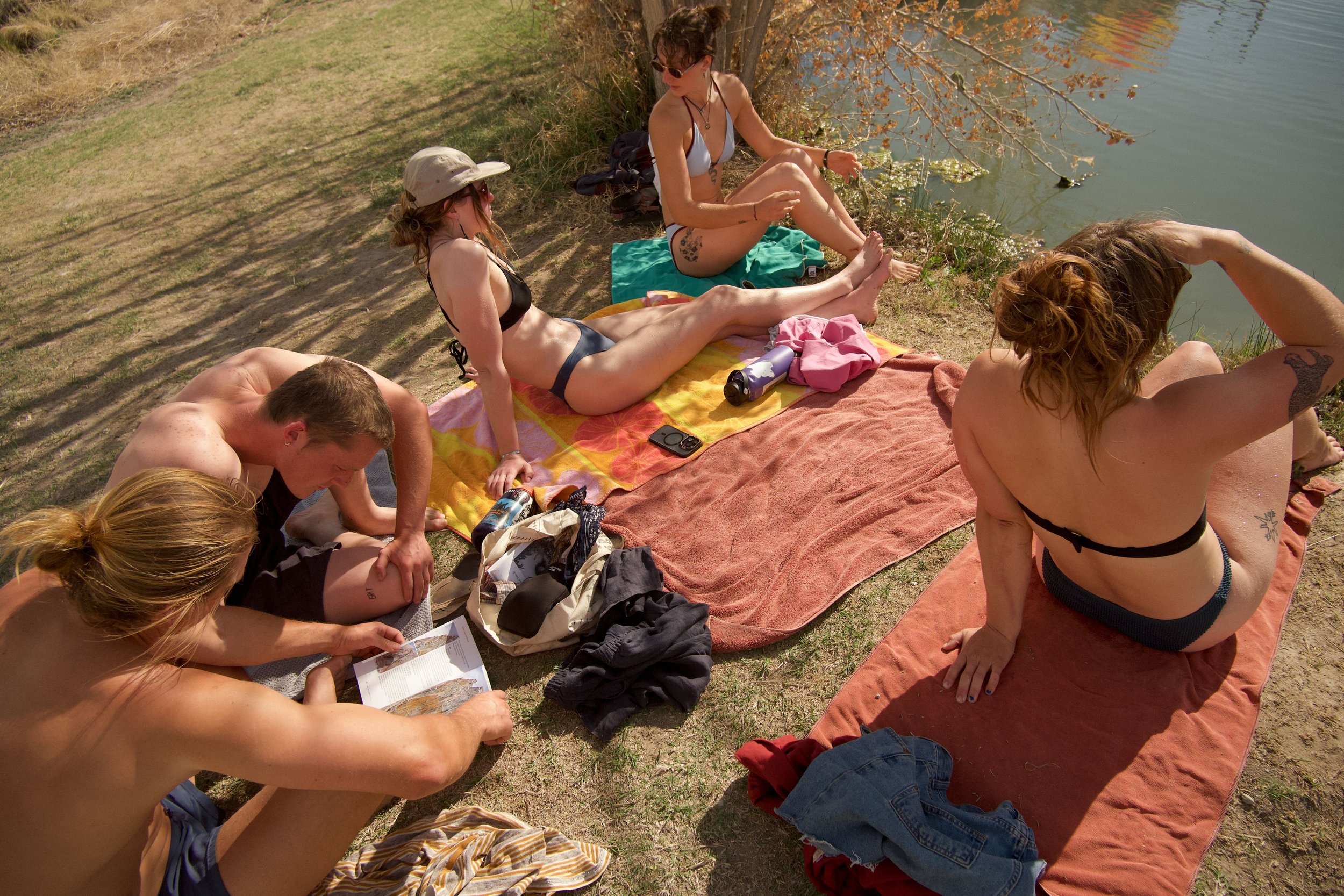
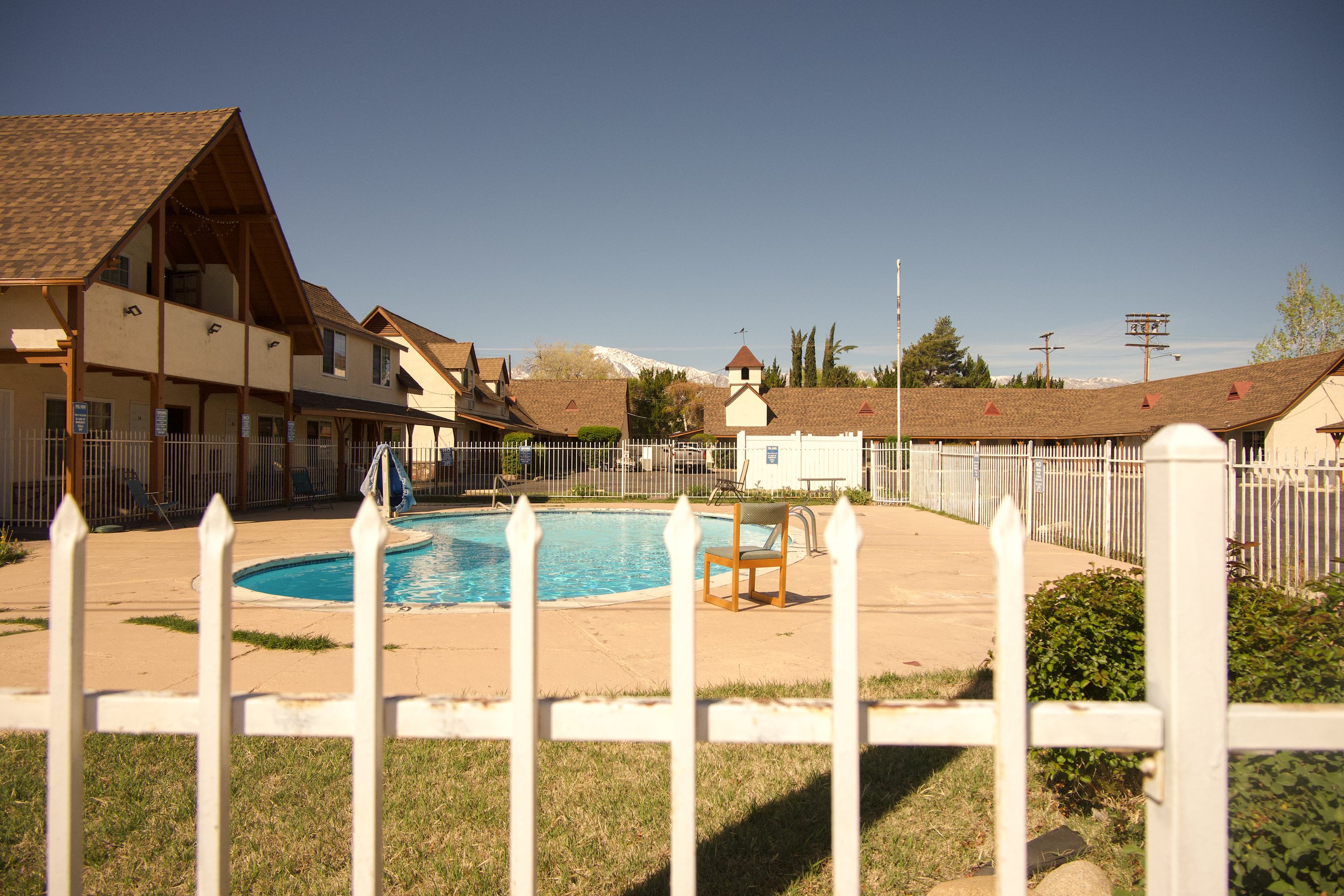
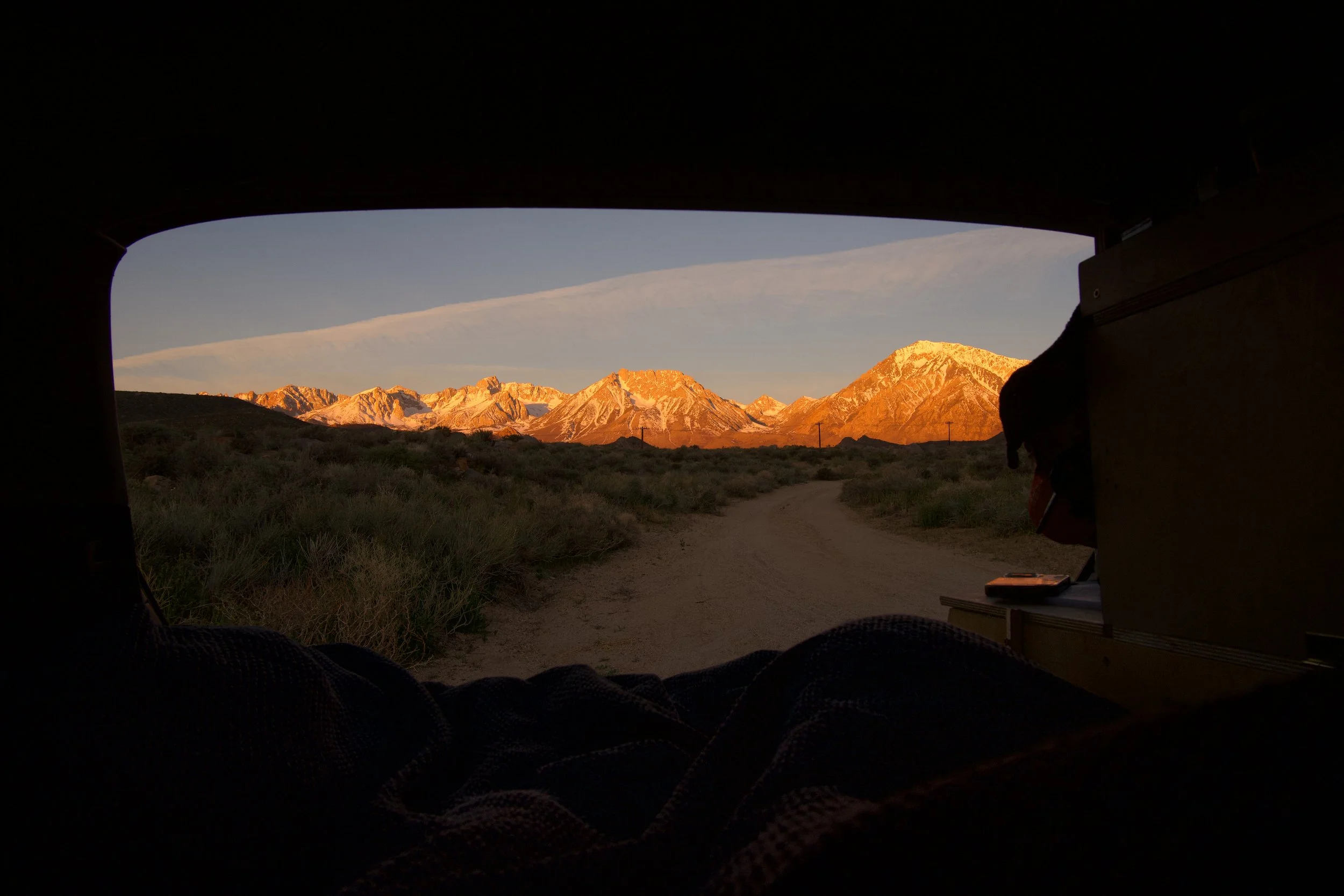
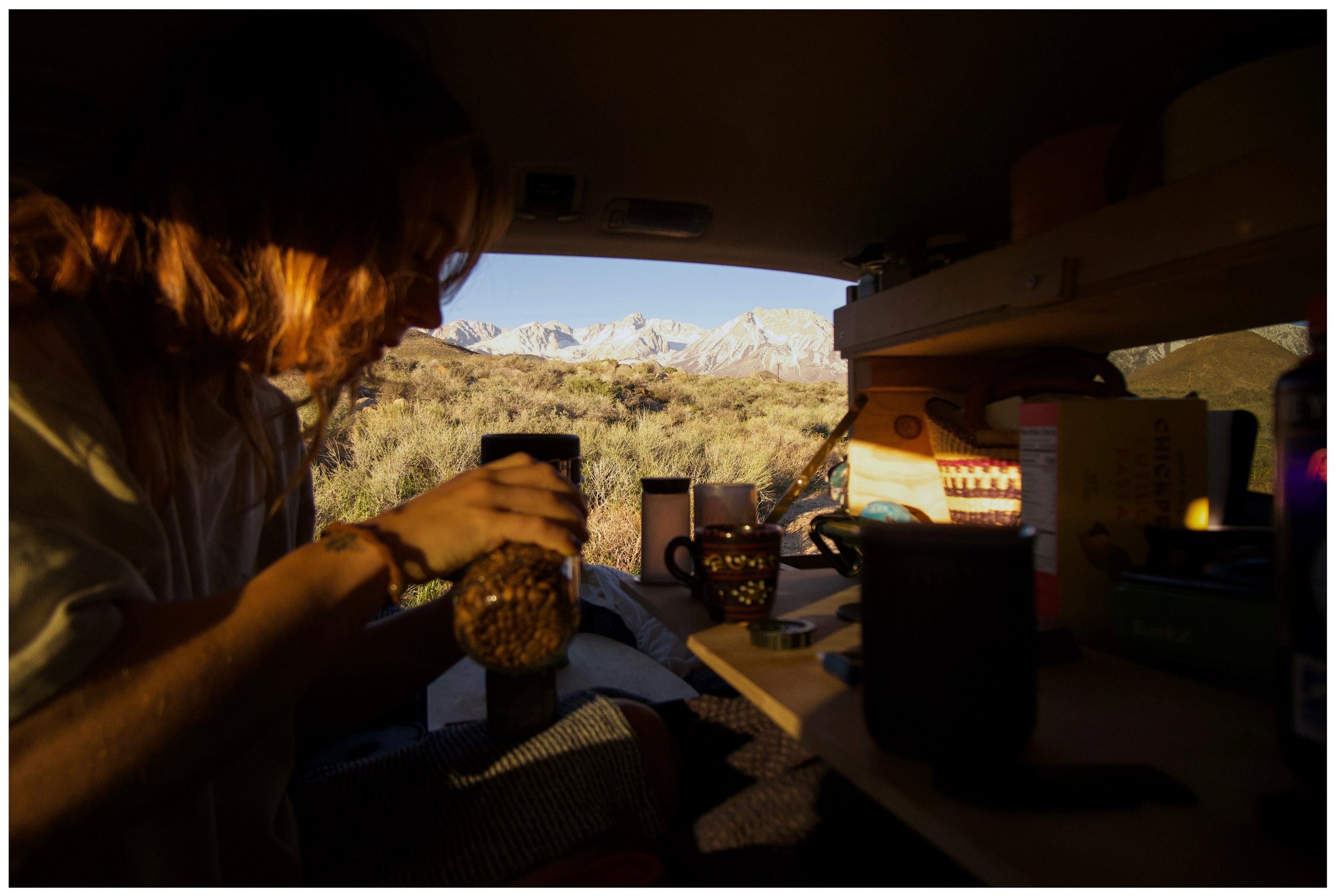
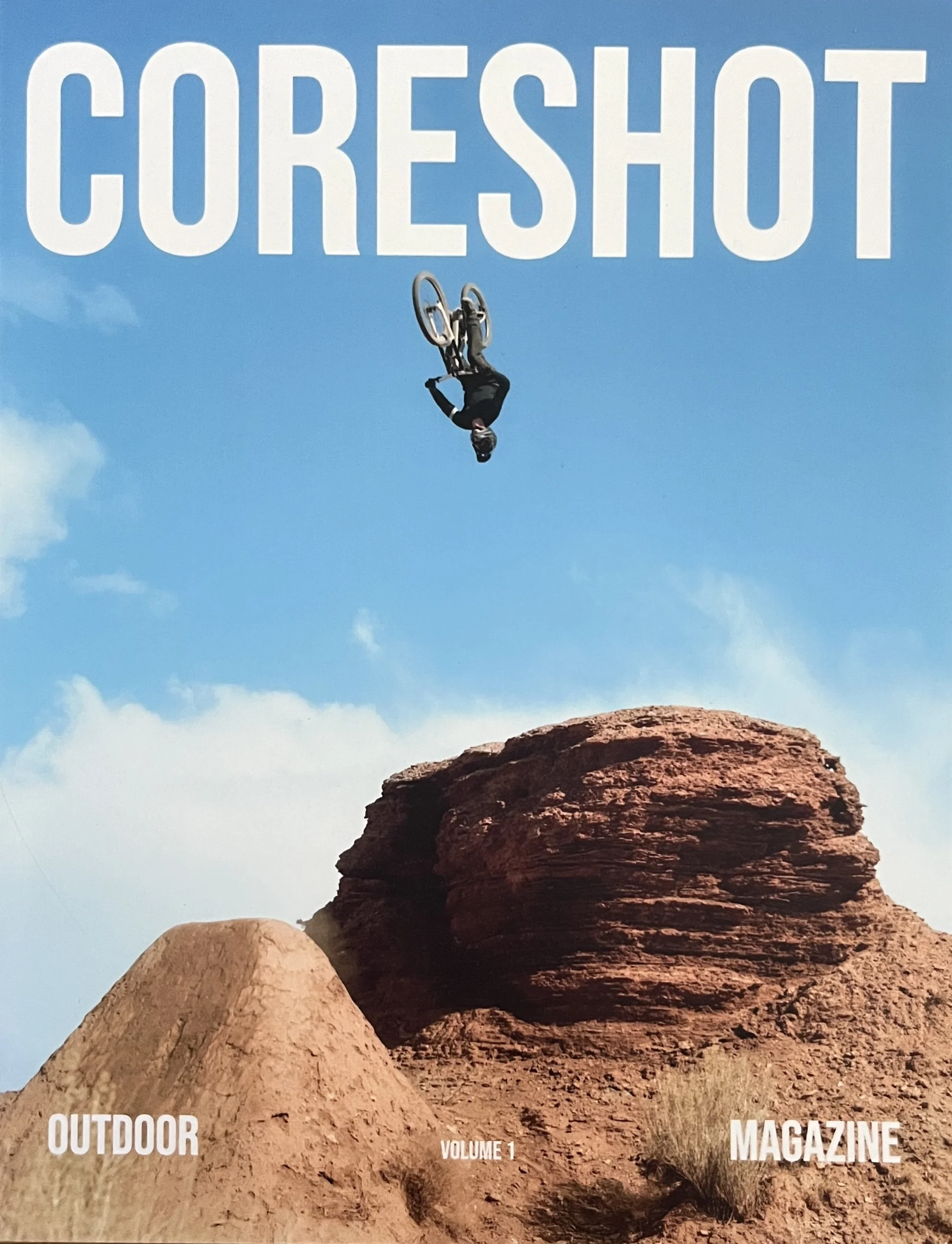
This perfectly meaningless and meaningful experience with the route was written in fuller detail, and printed in the first issue of Coreshot Magazine, created by Sam Freiberger and Aidan Lyons. It’s exciting to contribute to other print magazines, and share them on here in an intentional effort to uplift them. Below is the written piece, connecting what it means for me to truly climb and truly create, and other images around town captured that trip.
❖
IN TIME
By Angie Stevens
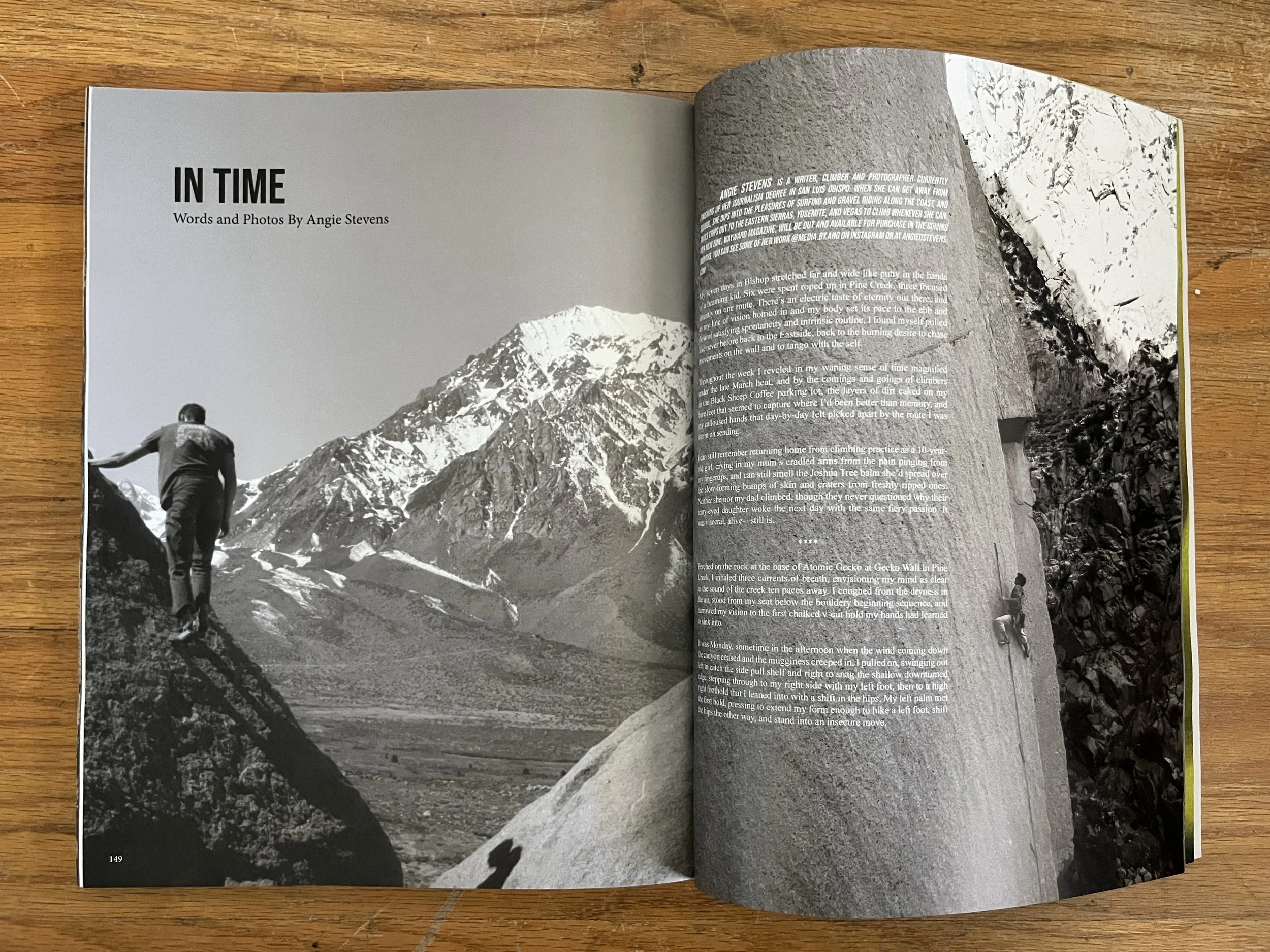
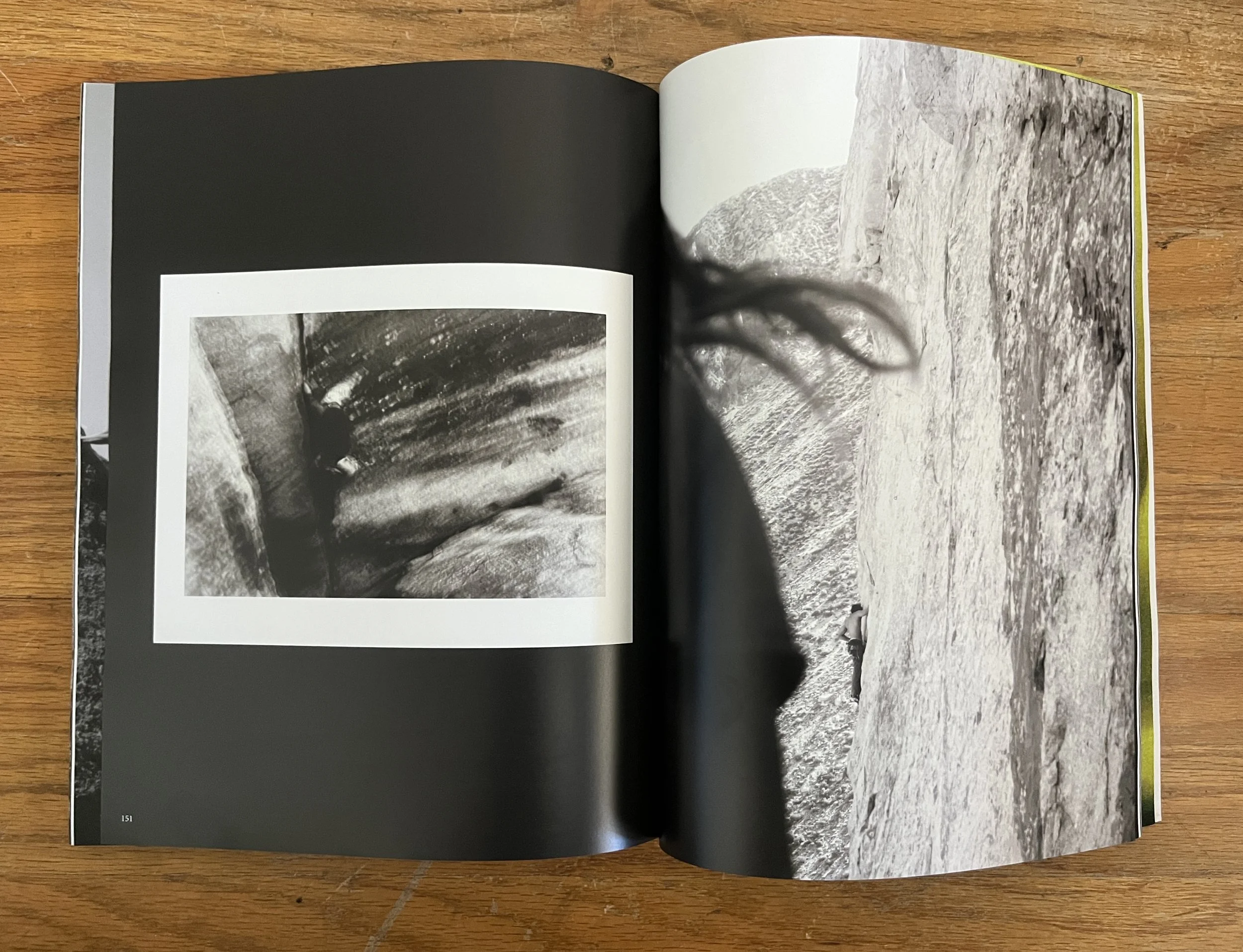
My seven days in Bishop stretched far and wide like putty in the hands of a beaming kid. Six were spent roped up in Pine Creek, three focused intently on one route. There’s an electric taste of eternity out there, and as my line of vision homed in and my body set its pace to the ebb and flow of satisfying spontaneity and intrinsic routine, I found myself pulled like never before back to the Eastside, back to the burning desire to chase movements on the wall and to tango with the self.
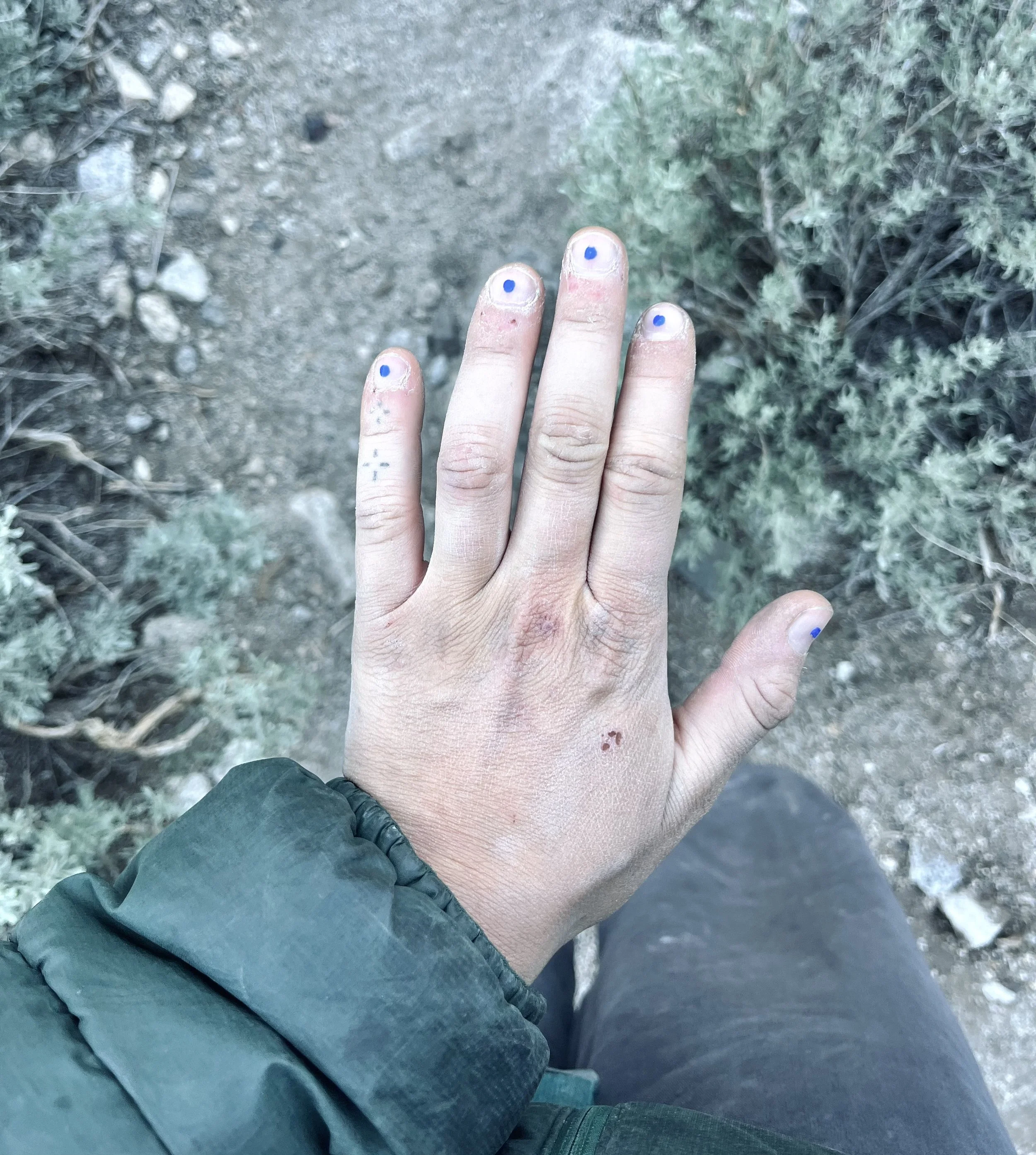
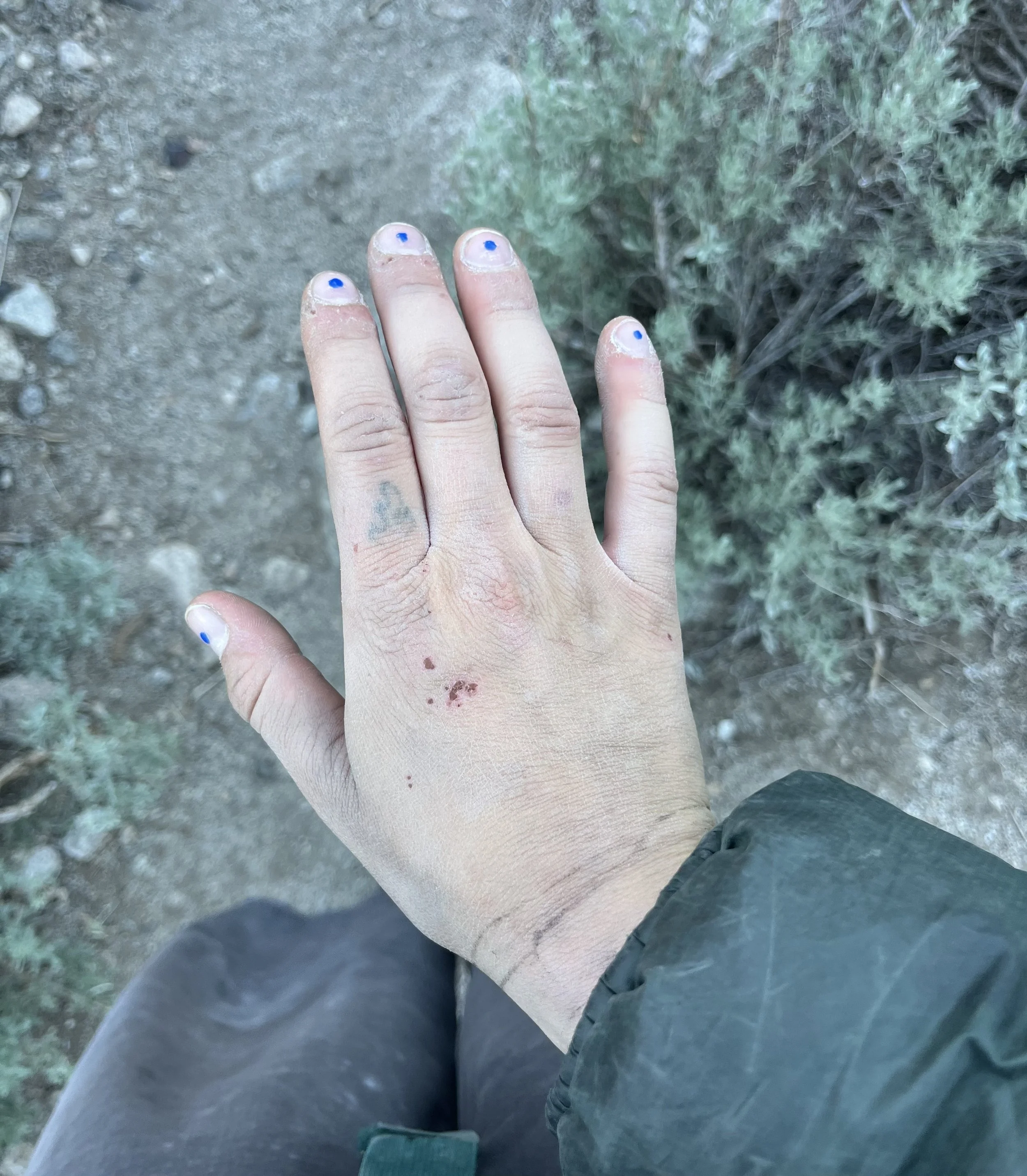
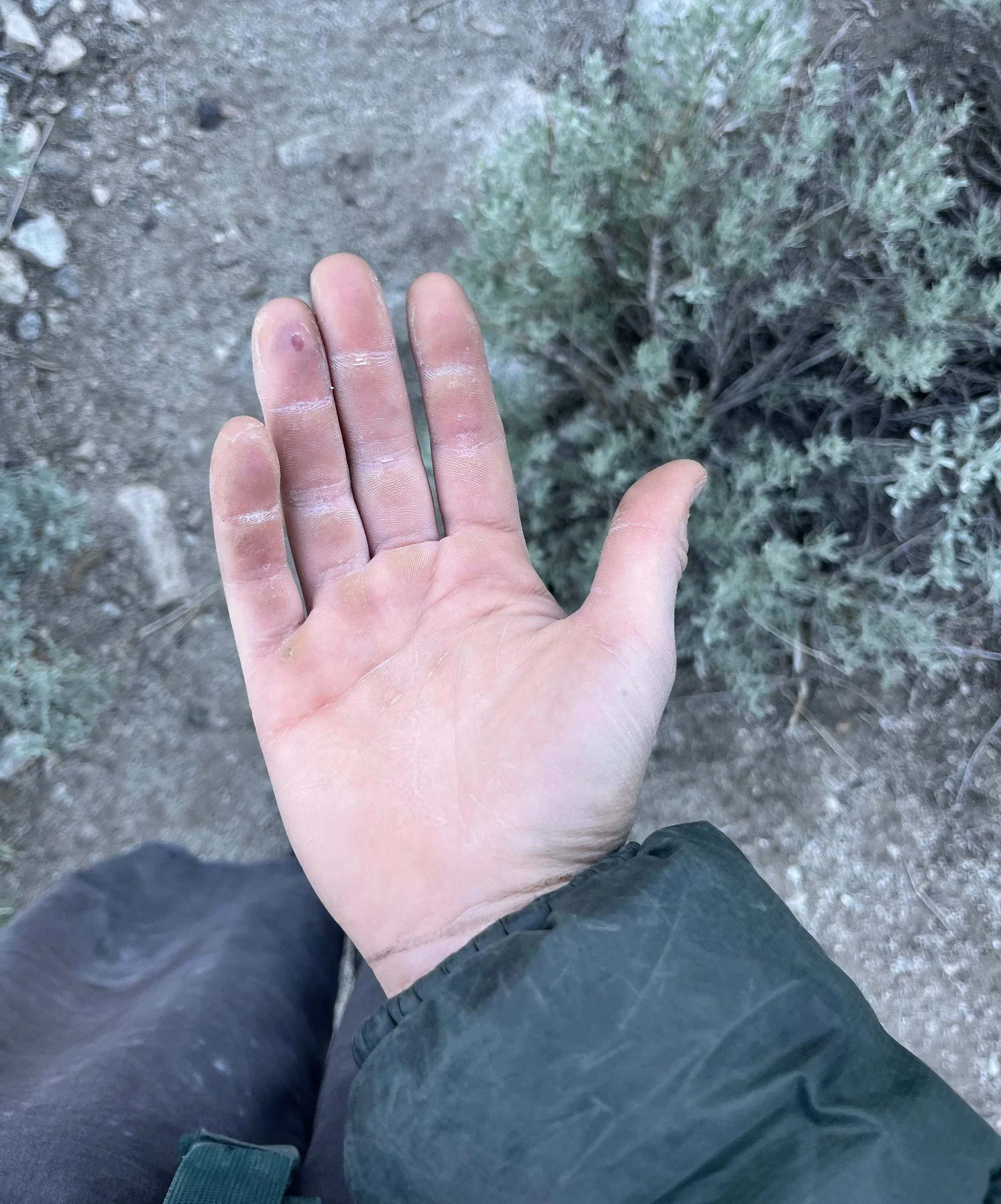
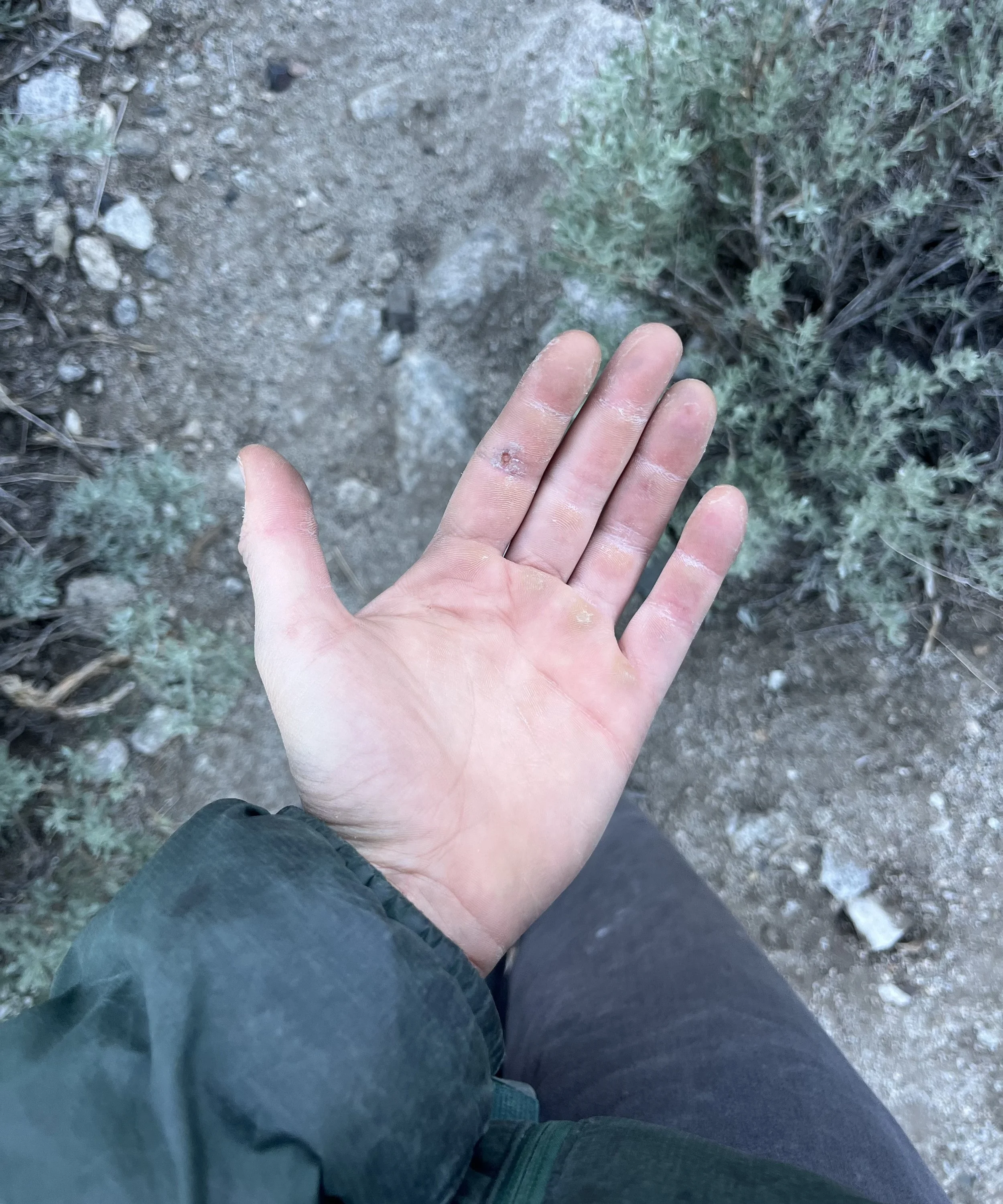
Throughout the week I reveled in my waning sense of time magnified under the late March heat, and by the comings and goings of climbers in the Black Sheep Coffee parking lot, the layers of dirt caked on my bare feet that seemed to capture where I’d been better than memory, and my calloused hands that day-by-day felt picked apart by the route I was intent on sending.
I can still remember returning home from climbing practice as a 10-year-old girl, crying in my mum’s cradled arms from the pain pinging from my fingertips, and can still smell the Joshua Tree balm she’d spread over the slow-forming bumps of skin and craters from freshly ripped ones. Neither she nor my dad climbed, though they never questioned why their teary-eyed daughter woke the next day with the same fiery passion. It was visceral, alive––still is.
///
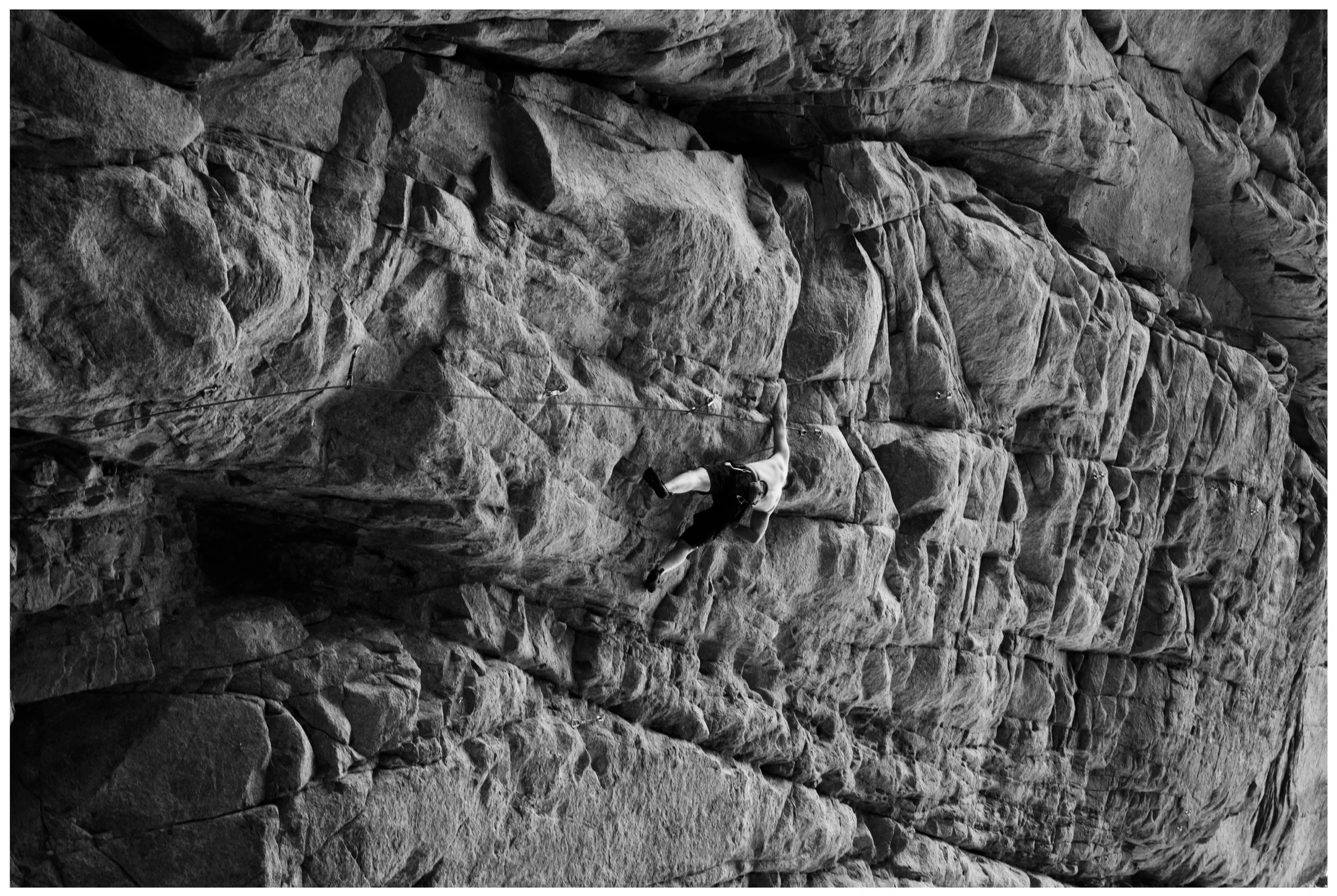
Perched on the rock at the base of Atomic Gecko at Gecko Wall in Pine Creek, I inhaled three currents of breath, envisioning my mind as clear as the sound of the creek ten paces away. I coughed from the dryness in the air, stood from my seat below the bouldery beginning sequence, and narrowed my vision to the first chalked v-cut hold my hands had learned to sink into.
It was Monday, sometime in the afternoon when the wind coming down the canyon ceased and the mugginess creeped in. I pulled on, swinging out left to catch the side pull shelf and right to snag the shallow downturned edge, stepping through to my right side with my left foot, then to a high right foothold that I leaned into with a shift in the hips. My left palm met the first hold, pressing to extend my form enough to hike a left foot, shift the hips the other way, and stand into an insecure move.
Oftentimes my body can read a route and guide my limbs to follow suit better than the moments I force my mind to get involved. To flow on Atomic, I came to find after half a dozen tries, required moments of surrender and acceptance as the rock’s disciple as much as it did careful observation of hold angles and time spent in the dirt drawing it out on paper.
I thought I wanted the line to come easy, but for two days I took whips at the final sequence, lowering with a smirk. I was excited that I felt dissatisfied and craved a more intimate understanding of the moves.
I took space from it, watching a dozen other climbers slowly unravel the moves that worked for their bodies. I wasn’t ready, and time flowed ceaselessly until I was. Then it stopped, or something like that. The sun crept up Mount Tom and hugged the ridgeline on Tuesday evening. On my final burn of the trip, I truly climbed it, or rather I finally danced.
///
To ponder the physicality of climbing and peer into the perspectives of others in this tight-knit yet boundless community only feels right, or true, or deeply moving to me if presented in an equally tangible form.
For years, I’ve set money aside to fuel my magazine subscriptions that send print copies to my doorstep, and require both the ripping of their cardboard casings and the gentle bending of the hand to thumb leisurely through the thick pages. The spines of Summit Journal, Alpinist Mag, Amateurs Mag, Sidetracked, Trails Mag, and EMOCEAN issues thus line my bookshelf––which has become a mini library of sorts for those close to me and equally stoked on print.
To connect in a deeply organic manner on the wall requires zero interruptions, other than the consistency of breath and flow in the body. To reach a similar level of ecstasy in the world of climbing and outdoor media, the paywalls and ads and notifications must cease to exist. Only then can I truly dip into nail-biting stories that leave my palms sweaty, or muse about the thoughts of climbers I look up to.
Beyond the content lining every page in a print magazine, I take notice of the details: the binding, the weight of paper used, the design elements that add cohesion to a medley of differing perspectives and life experiences. On the wall, too, I consider the minutiae: a centimeter adjustment to the way my finger can grab a granite crystal, a newfound spot to take a breath, a foothold that can be reimagined as an intermediate hand placement.
In this light, climbing to me is less a singular act in time, and more an everlasting process that can be dipped into off the wall and explored on the pages of printed media. To breathe life into my boundless passion for climbing, born when I was five and taken on a school field trip to the local gym, it was only right to push for a tangible, physical form.
Last May, I created a 90-page climbing zine, titled Lessons from the Rock. Over 20 contributors came to see themselves along the pages of writing, poetry, photographs, sketches, vulnerable reflections and scanned journals they entrusted me with. I labored over the computer for months, designing each spread with my minimal graphic design knowledge.
My urge to create something material, concrete––and other people’s desire to contribute—comes from a place of reverence for the spiritual act of climbing, that slows us down to a pace natural for the rock, the flowing stream, the cow pasture or waning sun, but unnatural for the buzzing, humming cycle of life we often find ourselves running around in.
A year later, I now find myself deep in the works of creating a larger, more all-encompassing print magazine, titled Wayward Magazine. I’ve shifted the scope to include not only climbing, but skiing, surfing, bikepacking, running, highlining, open water swimming, and more. The work of over 60 contributors explores uniquely individual perspectives, and together, reflects on the underlying connection point across the mosaic of all outdoor sports and pastimes.
The recent lessons granted from time on the rock––and from the first issue of the zine––have led me down this path of expanded ideas, back through the town of Bishop that holds strong memories and an even stronger community, and back to the intangible world on my computer, to create something tangible, something charged with movement.
Once it is in my hands, then, maybe then, I’ll shut the laptop screen for another stretch of time, and get outside with those yearning to follow the tangible, the physical, and come back to what it’s all about.
❖